Business Name: Jack Smalley Plastering and Rendering Specialist Southport
Address: 16 Shirdley Crescent, Southport, PR8 3RR
Phone: +44 7769 262561
Website: https://jacksmalleyplastering.co.uk
Plastering and rendering are essential skills in the construction and renovation industry, particularly for those of us working in Southport. Whether you are a homeowner considering a fresh look for your property or a contractor seeking to refine your craft, understanding the nuances of plastering and rendering can make a significant difference. Here, I’ll answer some frequently asked questions that I often encounter as a plasterer in Southport, drawing from my years of hands-on experience.
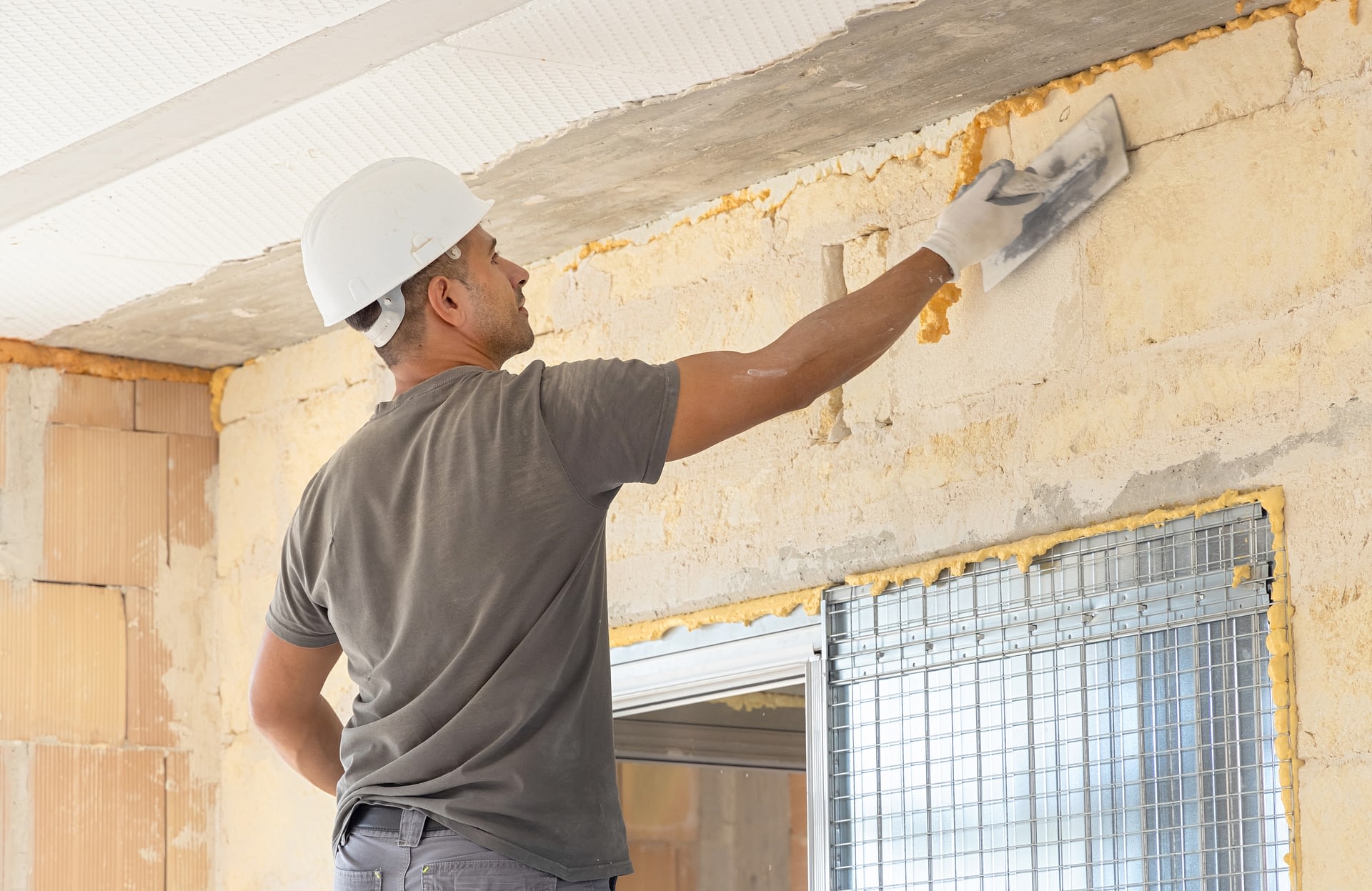
What is the Difference Between Plastering and Rendering?
At first glance, plastering and rendering might seem interchangeable, but they serve different purposes and are applied in distinct contexts. Plastering typically refers to the application of a finishing layer on interior walls and ceilings. It provides a smooth surface ready for painting or wallpapering. The materials used for plaster can vary, including gypsum-based plasters or traditional lime-based products.
Rendering, on the other hand, takes place primarily on external walls. It involves applying a mixture of sand, cement, and water to create a protective layer against the elements. This process not only improves aesthetics but also enhances the durability of walls exposed to weather conditions. In Southport's coastal environment, where salt air can accelerate wear on buildings, effective rendering is particularly crucial.
Why Choose Professional Services?
While DIY projects can be rewarding, plastering and rendering require specific skills to achieve high-quality results. A professional plasterer will have an eye for detail and experience with various materials under different conditions. For instance, using the right type of render for your home’s exposure level can prevent issues like cracking or moisture penetration down the line.
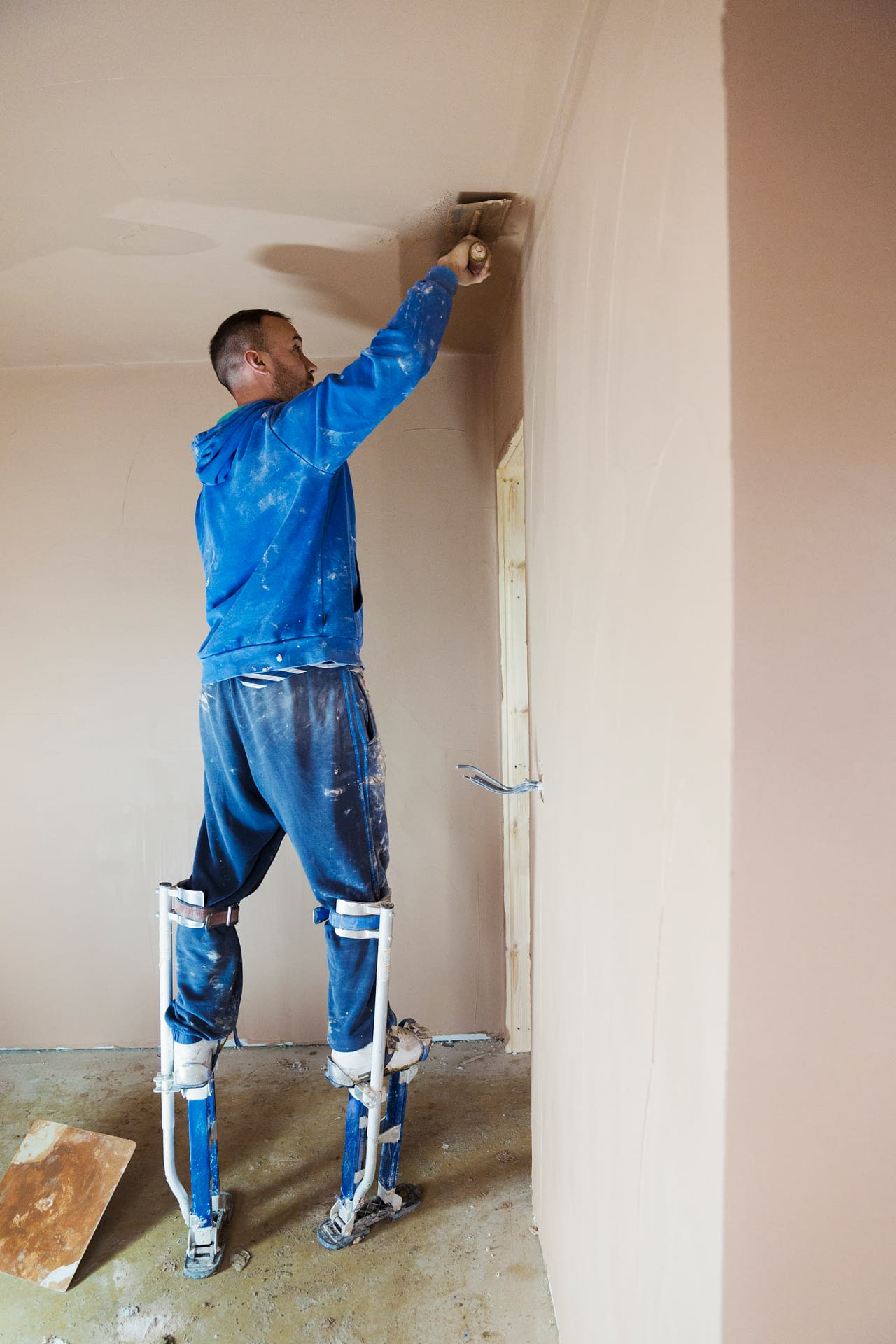
When selecting a plasterer in Southport, consider their previous work portfolio and customer testimonials. Engaging someone who understands local building regulations and environmental factors is invaluable.
How Long Does Plastering Take?
The duration of plastering depends on various factors such as room size, surface Jack Smalley Plastering and Rendering Specialist Southport Plastering Southport condition, and complexity of the project. Generally speaking:
- Small Rooms: A straightforward job in a small room may take about one to two days. Medium-Sized Areas: For larger spaces or those requiring repairs to existing surfaces, expect around three to five days. Specialty Finishes: Textured finishes or intricate designs can extend this timeline significantly.
Keep in mind that drying times also play a role. Freshly applied plaster needs adequate time to cure before you can paint over it — usually around 24 hours under optimal conditions.
What Are Common Problems During Plastering?
Even seasoned professionals face challenges while plastering. Some common issues include:
Cracks: These often occur due to rapid drying or inadequate surface preparation. Bubbles: Air trapped under the surface can lead to bubbles forming; proper mixing techniques help mitigate this risk. Uneven Surfaces: Ensuring consistent application thickness is key; otherwise, patches may appear uneven.To avoid these pitfalls, thorough surface preparation is non-negotiable. Cleaning debris from old walls or using bonding agents on porous surfaces sets the stage for successful adhesion.
What About Rendering? How Is It Different?
Rendering shares similarities with plastering but requires consideration of different environmental factors since it protects exterior walls from moisture damage and other outdoor elements.
Types of Render
Several types of render suitable for various applications exist:
- Cement Render: This is perhaps the most common type used due to its durability. Acrylic Render: Offering flexibility and an array of colors, acrylic renders are popular for contemporary finishes. Lime Render: Though less common today, lime renders provide breathability which helps prevent moisture retention.
Choosing the right type often comes down to your building material as well as aesthetic preference. For example, homes made from stone may benefit from lime render due to its compatibility with traditional materials.
When Should I Consider Rendering?
The decision to render often hinges on several factors:
Deterioration: If your exterior walls show signs of wear or water damage. Aesthetic Upgrades: Wanting to modernize an older property’s appearance. Energy Efficiency Improvements: External insulation via rendering can improve energy efficiency significantly over time.In coastal areas like Southport where saltwater exposure occurs regularly, timely rendering becomes even more critical in preserving property value.
Can I DIY Render My Home?
While some homeowners take on rendering projects themselves with varying degrees of success, it requires considerable skill—especially when blending materials seamlessly across large surfaces without creating cold joints (visible lines where different batches meet). Therefore hiring professionals accustomed to local conditions often yields better long-term results compared to amateur efforts that could lead to costly repairs later on.
How Do You Maintain Rendered Surfaces?
Maintaining rendered surfaces contributes significantly towards prolonging their lifespan:
- Regularly inspect for cracks or damage promptly after severe weather events. Clean surfaces gently using soft brushes; harsh power-washing may damage softer renders over time. Repaint every few years if necessary; this not only refreshes appearance but adds an additional protective layer too.
In Southport's coastal environment with high humidity levels combined with salt exposure from nearby beaches increases maintenance needs relative compared with inland properties.
Is There Any Environmental Impact Associated With Rendering?
Sustainable building practices have become increasingly important among homeowners today looking for eco-friendly options without compromising aesthetics or performance standards alike!
Using mineral-based products instead of heavy-duty chemicals reduces harmful emissions during application processes while still delivering quality finishes much desired by many discerning clients nowadays wanting both beauty & sustainability harmoniously integrated into their homes!
Moreover considering breathable materials that allow moisture escape prevents future structural problems associated dampness trapped within internal wall cavities leading ultimately potential mold growth if neglected over longer periods!
Final Thoughts
Understanding both plastering and rendering equips you with essential insights whether managing your own home renovations or hiring professionals in Southport capable executing these tasks effectively! Each method serves unique purposes tailored towards enhancing both beauty & protection against elements potentially damaging our properties over time!
With careful attention paid toward maintenance alongside proper installation practices we can ensure longevity while enjoying aesthetically pleasing outcomes transforming ordinary spaces into extraordinary living environments worth cherishing day by day!